Blog

Thursday, March 27, 2014

Back and Leg Pain (Lumbar Radiculopathy) as a Result of Disc Herniation and the Long Term Effect of Chiropractic Care

With this kind of success, its obvious everyone should seek chiropractic care before condisering surgery!!


Back and Leg Pain (Lumbar Radiculopathy)  as a Result of Disc Herniation and the Long Term Effect of Chiropractic Care

90% of all low back-lumbar disc herniation patients got better with chiropractic care


By
Mark Studin DC, FASBE (C), DAAPM, DAAMLP
 
The term "herniated disc" has been called many things from a slipped disc to a bulging disc. For a doctor who specializes in disc problems, the term is critical because it tells him/her how to create a prognosis and subsequent treatment plan for a patient. To clarify the disc issue, a herniated disc is where a disc tears and the internal material of the disc, called the nucleus pulposis, extends through that tear. It is always results from trauma or an accident. A bulging disc is a degenerative "wear and tear" phenomenon where the internal material or nucleus pulposis does not extend through the disc because there has been no tear, but the walls of the disc have been thinned from degeneration and the internal disc material creates pressure with thinned external walls. The disc itself "spreads out" or bulges.

There are various forms and degrees of disc issues, but the biggest concern of the specialist is whether nerves are being affected that can cause significant pain or other problems. The problem exists when the disc, as a result of a herniation or bulge, is touching or compressing those neurological elements, which is comprised of either the spinal cord, the nerve root (a nerve the extends from the spinal cord) or the covering of the nerves, called the thecal sac.

With regard to the structure that we have just discussed, the doctor must wonder what the herniation of the neurological element has caused. In this scenario, there are 2 possible problems, the spinal cord and nerve root. If the disc has compromised the spinal cord, it is called a myelopathy (my-e-lo-pathy). You have a compression of the spinal cord and problems with your arms or legs. An immediate visit to the neurosurgeon is warranted for a surgical consultation. The second problem is when the disc is effecting the spinal nerve root, called a radiculopathy. It is a very common problem. A doctor of chiropractic experienced in treating radiculopathy has to determine if there is enough room between the disc and the nerve in order to determine if a surgical consultation is warranted or if he/she can safely treat you. This is done by a thorough clinical examination and in many cases, an MRI is required to make a final diagnosis. Most patients do not need a surgical consultation and can be safely treated by an experienced chiropractor.

While herniations can occur anywhere, it was reported by 
Jordan, Konstanttinou, & O'Dowd (2009)  that 95% occur in the lower back.  "The highest prevalence is among people aged 30–50 years, with a male to female ratio of 2:1. In people aged 25–55 years, about 95% of herniated discs occur at the lower lumbar spine (L4/5 and L5/S1 level); disc herniation above this level is more common in people aged over 55 years" (http://clinicalevidence.bmj.com/ceweb/conditions/msd/1118/1118_background.jsp#incidence).

It was reported by Aspegren et al. (2009) that 80% of the chiropractic patients studied with both neck and low back (cervical and lumbar) disc herniations had a good clinical outcome with post-care visual analog scores under 2 [0 to 10 with 0 being no pain and 10 being the worst pain imaginable] and resolution of abnormal clinical examination findings. Anatomically, after repeat MRI scans, 63% of the patients studied revealed a reduced size or completely resorbed disc herniation. A study by Murphy, Hurwitz, and McGovern (2009) focused only on low back (lumbar) disc herniations and concluded that, "Nearly 90% of patients reported their outcome to be either 'excellent' or 'good'...clinically meaningful improvement in pain intensity was seen in 74% of patients (p. 729)." The researchers also concluded that the improvements from chiropractic care was maintained for 14 1/2 months, the length of the study, indicating this isn't a temporary, but a long-term solution. It was reported by BenEliyahu (1996) that 78% percent of the low back-lumbar disc herniation patients were able to return to work in their pre-disability occupations, which is the result of the 90% of all low back-lumbar disc herniation patients getting better with chiropractic care as discussed above.

These are the reasons that chiropractic has been, and needs to be, considered for the primary care for low back-lumbar disc herniations with resultant pain in the back or legs. 
This study along with many others concludes that a drug-free approach of chiropractic care is one of the best solutions for herniated discs and low back or leg pain. To find a qualified doctor of chiropractic near you go to the US Chiropractic Directory atwww.USChiroDirectory.com and search your state.


Go see Dr Garrett Bode or visit his other links and websites:  http://www.bodespinalcenter.com/ or see our latest press release (Click Here). [Chiropractor Oldsmar], Chiropractic Tampa, 33635, Chiropractor Tampa, Bode Chiropractic Accident & Wellness Center, Oldsmar, 33635, Neck Pain, Low Back Pain, Auto Accidents, Headaches. Link LinkBodeChiropractic.Blogspot.comhttp://fl.local.yahoo.biz/chiropractortampa 

Wednesday, March 5, 2014

Chronic Neck Pain and Chiropractic: A Comparative Study with Massage Therapy

Great article comparing Chiropractic Care to Massage Therapy and long term results.
Chronic Neck Pain and Chiropractic:
  A Comparative Study with Massage Therapy

By 
Mark Studin DC, FASBE (C), DAAPM, DAAMLP
William J. Owens DC, DAAMLP


Neck pain is a very common problem, second only to low back pain in its frequency in the general population and in doctors' offices treating musculoskeletal injuries. "The musculoskeletal system is an organ system that gives [humans] the ability to move using their muscular and skeletal systems" (Wikipedia, ,2010, http://en.wikipedia.org/wiki/Musculoskeletal). "Estimates of the prevalence of chronic neck pain vary. In a Swedish population 18.5% of females and 13.2% of males had neck pain for longer than 6 months; however, when continuous chronicity was rated, these figures were reduced to 10% and 7%, respectively. A Finnish study reported chronic neck pain in 13.5% of females and 9.5% of males. A Norwegian studyreported an overall rate of 13.8% for neck pain greater than 6 months duration; however, for subgroups with age greater than 43, the rate rose above 20%. It would appear that approximately 15% of females and 10% of men have chronic neck pain at any one time. Chronic neck pain produces a high level of morbidity by affecting occupational and avocational activities of daily living and by affecting quality of life" (Vernon, Humphreys & Hagino, 2007, p. 215).

"Manual therapy [chiropractic adjusting] is a generic therapeutic category that is composed of a variety of procedures directed at the musculoskeletal structures in the treatment of mechanical pain. Two major subcategories exist that divide these therapies into those which produce joint motion and those which do not. The first subcategory includes manipulation, mobilization, and manual traction. The second subcategory involves both generalized soft tissue therapies, such as the many types of massage, and focal soft tissue therapy, such as trigger point therapy, shiatsu, and acupressure. For this review, we used the separate therapy categories of manipulation, mobilization, manual traction, massage, and pressure techniques" 
(Vernon, Humphreys & Hagino, 2007, pp. 215-216).

There are numerous systematic reviews of the treatment of neck pain by manual therapy. With few exceptions, they have included studies of manual therapies for acute, subacute, and chronic neck pain. They have also included studies of subjects with neck pain due to whiplash-type injury as well as those in which whiplash-associated disorder (WAD) was not involved. These reviews have also included studies of subjects with or without concomitant headaches and/or arm pain...Finally, these reviews have included studies where manual therapies have been combined with other therapies such as exercises, relaxation therapy, etc (so-called 'multimodal therapy'). The most recent reviews by Gross et al, Bronfort et al and the Canadian Chiropractic Association Clinical Practice Guideline have brought the evidence base up to date but are similarly broad in scope" (Vernon, Humphreys & Hagino, 2007, p. 216).

The results of these research studies included studies that  provided information of long-term outcomes, meaning they continued their study up to at least 52 weeks, with one going as high as 104 weeks (2 years) in order to determine the validity over a long period of time confirming the non-recurrence of the pain. The results of one long-term study that examined the effects of chiropractic treatment on the recovery of clinical trial patients found that approximately 70% of the patients showed full recovery. However,100% of the patients in five studies that varied in length had positive changes. It was also reported that 0%, or none of the massage therapy patients had positive outcomes at the 6 week period.

This study along with many others conclude that a drug-free approach of chiropractic care is one of the best solutions to neck pain.


Go see Dr Garrett Bode or visit his other links and websites:  http://www.bodespinalcenter.com/ or see our latest press release (Click Here). [Chiropractor Oldsmar], Chiropractic Tampa, 33635, Chiropractor Tampa, Bode Chiropractic Accident & Wellness Center, Oldsmar, 33635, Neck Pain, Low Back Pain, Auto Accidents, Headaches. Link LinkBodeChiropractic.Blogspot.comhttp://fl.local.yahoo.biz/chiropractortampa 

Monday, March 3, 2014

Dizziness in Older Adults and Chiropractic Care

83% of dizziness sufferers showed improvement or eradication under chiropractic care

According to Maarsingh Dros, Schellevis, van Weert, Bindels, and van der Horst in BMC Family Practice (2010), dizziness in older patients is a very common occurrence as reported by family medical practitioners. They reported that an 8.3% one-year prevalence of dizziness was reported in patients over the age of 65, with females having a higher incidence. It was also reported that the number could be higher as this is a symptom reported by the patient.
According to Web MD in 2009, "Dizziness is a word that is often used to describe two different feelings. It is important to know exactly what you mean when you say 'I feel dizzy' because it can help you and your doctor narrow down the list of possible problems. 

Lightheadedness is a feeling that you are about to faint or 'pass out.' Although you may feel dizzy, you do not feel as though you or your surroundings are moving. Lightheadedness often goes away or improves when you lie down. If lightheadedness gets worse, it can lead to a feeling of almost fainting or a fainting spell (syncope). You may sometimes feel nauseated or vomit when you are lightheaded.

Vertigo is a feeling that you or your surroundings are moving when there is no actual movement. You may feel as though you are spinning, whirling, falling, or tilting. When you have severe vertigo, you may feel very nauseated or vomit. You may have trouble walking or standing, and you may lose your balance and fall.
Although dizziness can occur in people of any age, it is more common among older adults. A fear of dizziness can cause older adults to limit their physical and social activities. Dizziness can also lead to falls and other injuries" (http://www.webmd.com/brain/tc/dizziness-lightheadedness-and-vertigo-topic-overview).
As reported by Hampton (2005), dizziness has become such a prevalent problem that in spite of rising health care costs, in 2003, Medicare introduced that routine screenings to new beneficiaries for hearing loss, balance disorders and dizziness would be covered. The reason is that the government is looking long-term to save money; something that rarely happens, but in this case is the best solution.
According to Lynn, Schuster, and Kabcenell (2000), Medicare creates "RUG," a classification of patients in nursing facilities grouped by disability and other care needs, for the purpose of determining coverage and rates in the Medicare system. Dizziness is one of the criteria in determining the reimbursement rates for skilled nursing facilities. The costs for a skilled nursing home depending upon the RUG score ranges from $424.97 to $155.66 per day and the variable is the documented impairment of the resident and the amount of care needed to support that population of residents. From a financial perspective, the Federal Governmental and Medicare have a very high stake in ensuring that hearing and dizziness is cared for and corrected at as early an age as possible to save the system significant money.
In 2009, Hawk and Cambron studied the relationship between chiropractic care and dizziness over an 8 week course of manipulative care (chiropractic spinal adjustments). The patients having a "dizziness handicap inventory" baseline score indicating significant dizziness reported an 83% improvement or eradication of the dizziness as a direct result of chiropractic care. Hawk and Cambron reported that this was a pilot study and more research is needed, but their findings could encourage others to find solutions to a growing problem among older adults in American and could positively impact both the lives of Americans and the financial burden of our economy.
These studies along with many others conclude that a drug-free approach of chiropractic care is one of the best solutions for patients with dizziness. To find a qualified doctor of chiropractic near you go to the US Chiropractic Directory at www.USChiroDirectory.com and search your state.


Go see Dr Garrett Bode or visit his other links and websites:  http://www.bodespinalcenter.com/ or see our latest press release (Click Here). [Chiropractor Oldsmar], Chiropractic Tampa, 33635, Chiropractor Tampa, Bode Chiropractic Accident & Wellness Center, Oldsmar, 33635, Neck Pain, Low Back Pain, Auto Accidents, Headaches. Link LinkBodeChiropractic.Blogspot.comhttp://fl.local.yahoo.biz/chiropractortampa 

Monday, February 17, 2014

Patients Who See Chiropractor First Much Less Likely to Have Spinal Surgery


Patients Who See Chiropractor First Much Less Likely to Have Spinal Surgery
A study published in the medical journal Spine on December 12, 2012, showed that patients who went to a chiropractor first with a back injury were less like to have surgery then those who went to an orthopedic surgeon. Articles on the study also appeared in the January 22, 2013, issue of the Monthly Prescribing Reference, as well as in a Business Wire release on Jan 08, 2013, by the Foundation for Chiropractic Progress (F4CP).
The study, titled "Early Predictors of Lumbar Spine Surgery after Occupational Back Injury: Results from a Prospective Study of Workers in Washington State," reviewed the records of patients in Washington state who had returned to work after a work-related back injury. Researchers looked at the claims of 1,885 workers for up to three years after the initial claim to see how many resulted in spinal surgery. The results showed that 174 (9.2%) of the people returning to work after a back injury had lumbar spine surgery within 3 years. Using this, the researchers wanted to see what factors affected the rate of these surgeries.
In a January 8, 2013, release by the Foundation for Chiropractic Progress, spokesperson and chiropractor Dr. Gerard Clum discussed the study results by saying, "In total, 42.7 percent of workers who initially visited a surgeon underwent surgery, in contrast to only 1.5 percent of those who first consulted a chiropractor." He noted that the study was conducted by a collaboration of prestigious institutions including Geisel School of Medicine at Dartmouth College, University of Washington School of Public Health, University of Washington School of Medicine, Ohio State University College of Public Health, and the Washington State Department of Labor and Industries.
The researchers also noted the significant difference between patients who first went to the chiropractor by stating in their conclusion, "There was a very strong association between surgery and first provider seen for the injury, even after adjustment for other important variables."
"Back injuries are the most prevalent occupational injury in the U.S., and care is commonly associated with one of the most costly treatments - spine surgery. Chiropractic is clearly the most appropriate first treatment option for patients with back pain, and this study confirms the value," reports Dr. Clum. "As more data continues to surface touting the benefits of chiropractic care -- lower costs, less risks and higher satisfaction rates -- I expect that patients and practitioners will move toward considering chiropractic first, medicine second, and surgery last."


Go see Dr Garrett Bode or visit his other links and websites:  http://www.bodespinalcenter.com/ or see our latest press release (Click Here). [Chiropractor Oldsmar], Chiropractic Tampa, 33635, Chiropractor Tampa, Bode Chiropractic Accident & Wellness Center, Oldsmar, 33635, Neck Pain, Low Back Pain, Auto Accidents, Headaches. Link Link BodeChiropractic.Blogspot.com http://fl.local.yahoo.biz/chiropractortampa 

Improvement in Adolescent Idiopathic Scoliosis Following Chiropractic Care

Improvement in Adolescent Idiopathic Scoliosis Following Chiropractic Care
The Journal of Pediatric, Maternal & Family Health (JPMFH) published a case study on August 16, 2012, documenting the case of a young girl with scoliosis who was helped with chiropractic care. An additional study published in the June 2012 issue of the Journal of Chiropractic Medicine (JCM) reports on an additional case of idiopathic scoliosis being helped with chiropractic care.
According to the authors of the JPMFH study, "Adolescent Idiopathic Scoliosis (AIS), which accounts for approximately 80 percent of the reported cases (of scoliosis), is the most common orthopedic deformity affecting children." Scoliosis is classified as AIS (affecting adolescent) when it is detected at age 10 or above. The authors note that this form affects between 3 and 5 percent of adolescents and is more common in girls.
The authors of the JPMFH study noted that there are two medical forms of treatment for AIS which include bracing or surgery. They note that the bracing option carries self esteem problems as the child is required to wear the brace upwards of 23 hours per day. The surgical option is limited in results and often requires multiple procedures costing upward of half-a-million dollars. They note that there are multiple separate studies of chiropractic helping AIS in various publications.
In the case in the JPMFH, an eleven-year-old girl was brought to the chiropractor because her mother was concerned with postural abnormalities she observed in her daughter. The JCM case involved a nine-year-old girl who was also suffering with AIS and was brought to a chiropractor. Both children received a variety of chiropractic examination procedures, and both had spinal x-rays. The x-rays were measured for curvature angles with both girls having a 22 degree curve at their worst point.
In both these cases Chiropractic care was initiated utilizing different forms of chiropractic care for each of the two girls. Both girls were seen by the chiropractor multiple times on regular schedules over several months. Both girls were also subsequently re-evaluated and comparative x-rays were performed.
Subsequent re-evaluations and x-rays showed that both the nine year-old and eleven year-old showed corrections of the curvatures measuring 55 percent and 13 percent respectively. The case in the JCM noted that the young girl did not show any psychological issues sometimes observed with other forms of care for scoliosis. The authors of the JPMFH article noted that, in addition to the curvature improvements in their case, this patient also experienced decreased pain, increased range of motion, and improved quality of sleep.


Go see Dr Garrett Bode or visit his other links and websites:  http://www.bodespinalcenter.com/ or see our latest press release (Click Here). [Chiropractor Oldsmar], Chiropractic Tampa, 33635, Chiropractor Tampa, Bode Chiropractic Accident & Wellness Center, Oldsmar, 33635, Neck Pain, Low Back Pain, Auto Accidents, Headaches. Link Link BodeChiropractic.Blogspot.com http://fl.local.yahoo.biz/chiropractortampa 
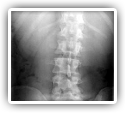
Chronic and Acute Neck Pain Both Helped with Chiropractic According to Study

Chronic and Acute Neck Pain Both Helped with Chiropractic According to Study
A study published on August 24, 2012 in the journal Chiropractic & Manual Therapies showed that both chronic and acute neck pain respond to chiropractic care. The study, conducted using information from multiple chiropractic practices in Switzerland, was originally designed to see if there was a way to predict the outcomes to chiropractic care for people with either acute or chronic neck pain.
The authors of the study start off by explaining that neck pain is the second most common reason that people go to a chiropractor, behind back pain. They also report that several recent studies confirm the safety of chiropractic care, which the authors referred to in this study as Chiropractic SMT (spinal manipulative treatment).
In this study patients with neck pain of any duration, who had not received any chiropractic care for the previous three months were reviewed. Patients whose neck pain was less than 4 weeks in duration were classified as acute while those whose symptoms were longer than 12 weeks in duration were classified as chronic. A numerical rating scale (NRS) was used to rate neck pain with patients in this study to standardize results. Results were collected from the patients at the intervals of one week, one month and three months after starting care.
Of the 529 patients in this study, 274 were classified as acute, while 255 classified as chronic. At one week after the start of care the study records that 77.8% of the acute patients and 37.6% of the chronic patients reported that they were feeling significantly improved. At one month the study recorded that 86.6% of the acute patients and 62.4% of the chronic patients reported being improved. Finally at the 3 month check 84.3% of the acute patients and 70.1% of the chronic patients now stated that they were improved. Only 4% of the acute patients and 9% of the chronic patients said that they felt worse at the 3 month period.
The authors noted that their results did not show many ways to predict the overall outcomes of care in advance. However, as one would expect, those patients that showed earlier results were more likely to show positive results at the 90 day follow up. The researchers did report that the addition of either radiating pain or dizziness, in conjunction with neck pain, did not diminish the results that these patients achieved.


Go see Dr Garrett Bode or visit his other links and websites:  http://www.bodespinalcenter.com/ or see our latest press release (Click Here). [Chiropractor Oldsmar], Chiropractic Tampa, 33635, Chiropractor Tampa, Bode Chiropractic Accident & Wellness Center, Oldsmar, 33635, Neck Pain, Low Back Pain, Auto Accidents, Headaches. Link Link BodeChiropractic.Blogspot.com http://fl.local.yahoo.biz/chiropractortampa 

Monday, February 3, 2014

Huge fines, settlements and lawsuits are all routine business for Big Pharma

Just look at the size of these profits.  It is no wonder these drug companies don't want you to try Chiropractic!!

In 2012, five pharmaceutical companies agreed to pay nearly $5.5 billion to settle allegations of fraud, including promotion of medicines for uses not approved by the FDA. The settlements represent the continued trend of record-breaking fines, settlements and lawsuits which have become a routine part of doing business for Big Pharma.

Between 2004 and 2010, major drug companies paid out $7 billion in fines, penalties and lawsuits for fraudulently marketing their drugs, making misleading claims about the drugs safety and hiding or altering studies which indicated evidence of harm. The threat of massive payouts does not appear to offer much deterrent.

Even the largest of settlements rarely dents the profits associated with the drugs involved. The largest fine ever imposed thus far - last July's $3 billion judgment against GlaxoSmithKline (GSK) for illegally marketing the antidepressants Paxil and Wellbutrin, withholding health risks data of the diabetes medication Avandia and other wrongdoings - accounted for just 11 percent of associated revenue. By contrast, in most individual cases of fraud all profits are typically confiscated and the fraudster goes to prison.

Recent year drug company fines and settlements include:

• In September 2009, Pfizer was fined $2.3 billion for misbranding the painkiller Bextra with "the intent to defraud or mislead".

• In November 2011, Merck agreed to pay a fine of $950 million related to illegal promotion of the painkiller Vioxx - which has been estimated to have caused up to 60,000 or more heart attack deaths.

• In July 2012, GlaxoSmithKline agreed to pay a fine of $3 billion to resolve liabilities regarding promotion of Paxil and Avandia and other drugs and failure to report safety data.

• In December 2012, Sanofi-Aventis agreed to pay $109 million to resolve allegations that the company got inflated prices from government programs by submitting false price reports for the drug Hyalgan.

• In January 2009, Eli Lilly was fined $1.42 billion to resolve a government investigation into the off-label promotion of the antipsychotic Zyprexa.

• In April 2010, AstraZeneca was fined $520 million to resolve allegations that it illegally promoted the antipsychotic drug Seroquel for unapproved uses.

• In May 2012, Abbott was fined $1.5 billion in connection with the illegal promotion of the antipsychotic drug Depakote.

• In October 2012, Boehringer Ingelheim Pharmaceuticals Inc. agreed to pay $95 million to resolve allegations that the company promoted several drugs - including Aggrenox, Atrovent and Combivent, and Micardis - for non-approved uses.

• In December 2012, Amgen agreed to pay a $762 million fine to resolve charges that the company illegally introduced and promoted several drugs including Aranesp.

Risky drugs remain on the market

The FDA has approved an average of 24 drugs a year since 2000 - many of which pose health risks and serious long-term side effects. Drug companies greatly contribute to the problem when they conduct flawed or dishonest clinical trials.

Risky drugs still on the market include:

• Type 2 diabetes drugs Avandia and Actos.
• Antidepressants Paxil, Prozac, Effexor, Zoloft and Lexapro.
• Mood stabilizer Depakote.
• Birth control pills Yaz and Yasmin.
• Acne medication Accutane.
• Blood thinners Pradaxa and Xarelto
• Osteoporosis treatment Fosamax
• Dialysis drugs GranuFlo and NaturaLyte
• Hair loss pill Propecia.

Side effects associated with the above drugs range from birth defects and liver damage to suicidal behavior, blood clots, bladder cancer, Crohn's disease, heart attacks, strokes, uncontrollable bleeding and heart failure.

As the New England Journal of Medicine recently editorialized: Fines against drug companies should be large enough that they can't be dismissed as merely "the cost of doing business"; whistleblowers should be offered more protections; and criminal charges should be filed against drug company executives for misconduct that could put them in prison.


Go see Dr Garrett Bode or visit his other links and websites:  http://www.bodespinalcenter.com/ or see our latest press release (Click Here). [Chiropractor Oldsmar], Chiropractic Tampa, 33635, Chiropractor Tampa, Bode Chiropractic Accident & Wellness Center, Oldsmar, 33635, Neck Pain, Low Back Pain, Auto Accidents, Headaches. Link Link BodeChiropractic.Blogspot.com http://fl.local.yahoo.biz/chiropractortampa